Iran's Strategic Targeting in Gulf Amid US Tensions
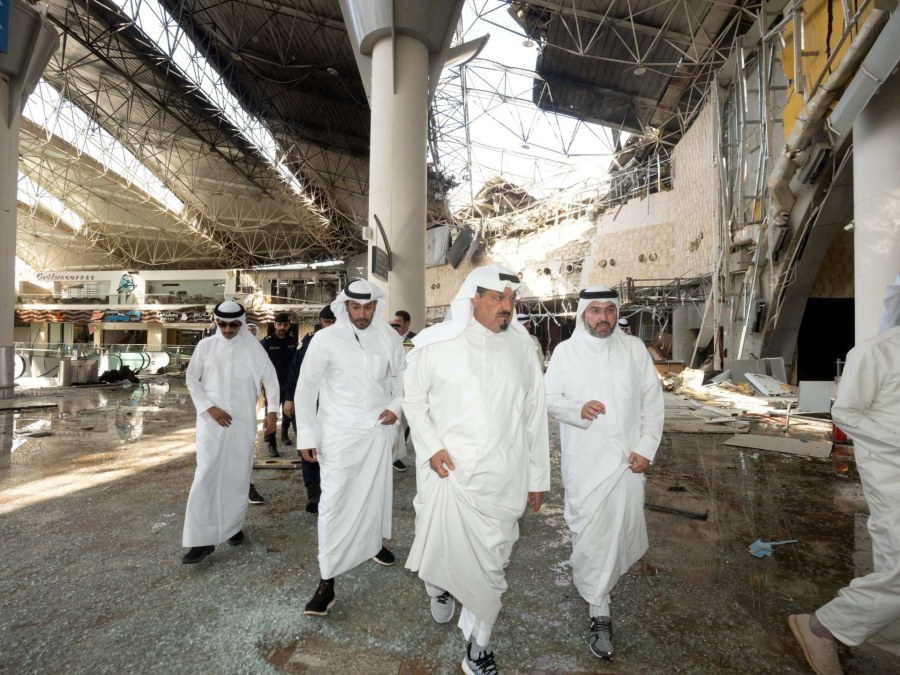
As tensions escalate between the United States and Iran, Tehran has responded to US strikes by selectively targeting infrastructure in Gulf states, notably avoiding direct confrontations with US naval assets or Israeli targets. This approach appears to be aimed at pressuring Washington while managing the risk of broadening the conflict.
The US operational focus includes strikes on Iranian logistics and civil infrastructure, prompting the Iranian Revolutionary Guard Corps (IRGC) to retaliate against civilian targets in countries like Kuwait and Bahrain. This strategy reflects a tactical calculation to pressure regional actors perceived as facilitators of US military operations without directly engaging American or Israeli military assets.
Experts suggest that the decision to avoid US naval assets stems from the inherent military challenges due to advanced defense systems protecting these assets, coupled with the risk of inviting overwhelming US retaliatory measures. This selective engagement strategy illustrates Iran's intent to leverage geopolitical dynamics in the region to mitigate the risk of escalation into more direct, high-stakes confrontations.
Meanwhile, Tehran’s stance argues the legitimacy of such tactics under international law, citing the right to retaliate from any territory initiating hostilities against it. However, regional responses vary, with Kuwaiti officials contesting these claims as unfounded, underscoring a complex narrative that Tehran utilizes to justify its military actions while maintaining a stance that strains its regional relationships.