Iran, Oman, US ‘close’ to Hormuz deal: What do they all want?
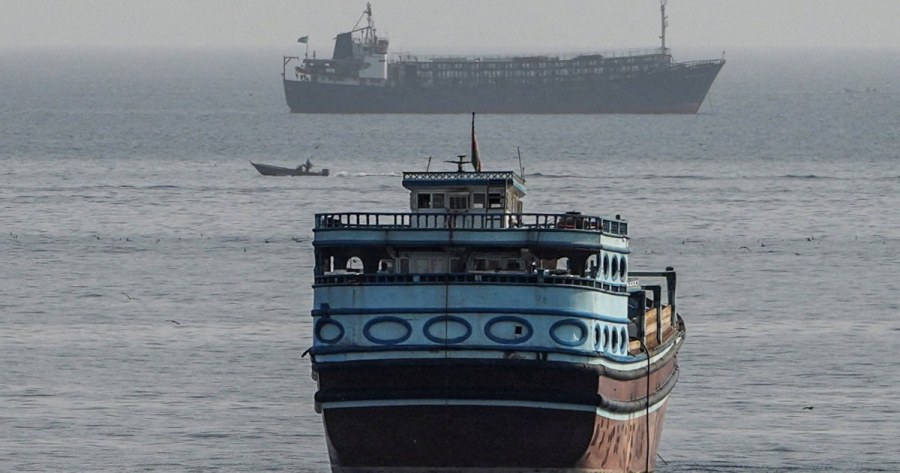
The proposed agreement, which has been under negotiation for several weeks, is intended to restore the June 17 ceasefire between Washington and Tehran; resolve disputes over shipping through the strategic waterway, through which one-fifth of the world’s oil supplies had been shipped in peacetime; and create space for broader negotiations on Iran’s nuclear programme and other issues.
US President Donald Trump struck an optimistic tone on Tuesday evening, telling reporters negotiations with Iran were “moving along very nicely”. “We’ll find out. We’ll know in 48 hours,” he said when asked whether a deal was imminent. “The strait is going to be open very soon, or they’re going to get hit very hard, and then the strait is going to be open.”
Trump made the comments after he reportedly decided over the weekend not to carry out what he had described as the biggest US military attack since World War II, in line with his now familiar pattern of repeatedly threatening to strike Iran before advocating at the last minute for diplomatic solutions instead.
Iran, meanwhile, continues to deny holding direct talks with Washington. Its officials have insisted that discussions are taking place with Oman over how to manage the Strait of Hormuz. Oman, whose territorial waters the strait also flows through, has long acted as a mediator between the two countries.
Iranian Ministry of Foreign Affairs spokesman Esmaeil Baghaei said the Oman talks have been “positive” and were continuing although Iran’s Sepah News quoted an official as saying US military threats remained the main obstacle to reaching an agreement.
The diplomatic push comes as tensions spike in and around the Strait of Hormuz. On Tuesday, the United Kingdom Maritime Trade Operations (UKMTO) agency reported a cargo ship had been struck by an unidentified projectile off Oman.
Commercial traffic through the waterway also remains heavily disrupted. Only eight vessels transited the strait on Monday, compared with roughly 130 ships per day before the latest escalation.