Hostilities at Strait of Hormuz Escalate Oil Prices
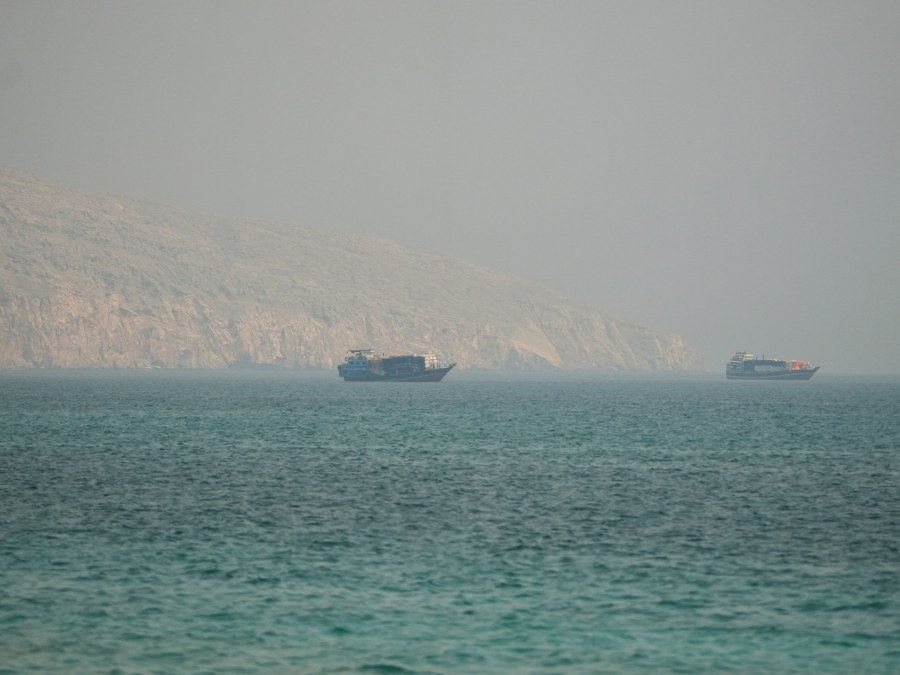
The Strait of Hormuz, a pivotal maritime passage, is at the center of renewed hostilities between the United States and Iran, leading to a sharp increase in oil prices. The recent escalation has sent Brent crude rising over four percent, reflecting heightened instability in a critical global trade artery. Brent futures for September saw prices peak at $79.29, marking a significant rise amid the conflict.
US Central Command confirmed a strategic military response, having conducted extensive strikes targeting Iranian capabilities meant to compromise navigation through the strait. This aggressive stance came in the wake of US accusations against Iran for targeting the Cyprus-flagged MV GFS Galaxy. CENTCOM emphasized its commitment to ensuring unhindered commercial movement, despite Iran's ongoing threatening maneuvers.
On the opposite end, Iranian military actions expanded with missile and drone attacks on neighboring Gulf states, escalating the regional tensions. Iran's Persian Gulf Strait Authority has asserted control, threatening vessels bypassing its prescribed routes with potential risks. Such moves underscore Tehran’s rigid stance regarding territorial dominion over the strait, despite international opposition.
The maritime activity has notably decreased, mirroring the increased volatility. Previously bustling with daily crossings, traffic in the Strait has dwindled, casting shadows on the region's economic and security outlook. The international community watches closely as any further escalation may ripple widely through the global energy markets.