Gulf States Shift Security Strategy Amid US-Iran Tensions
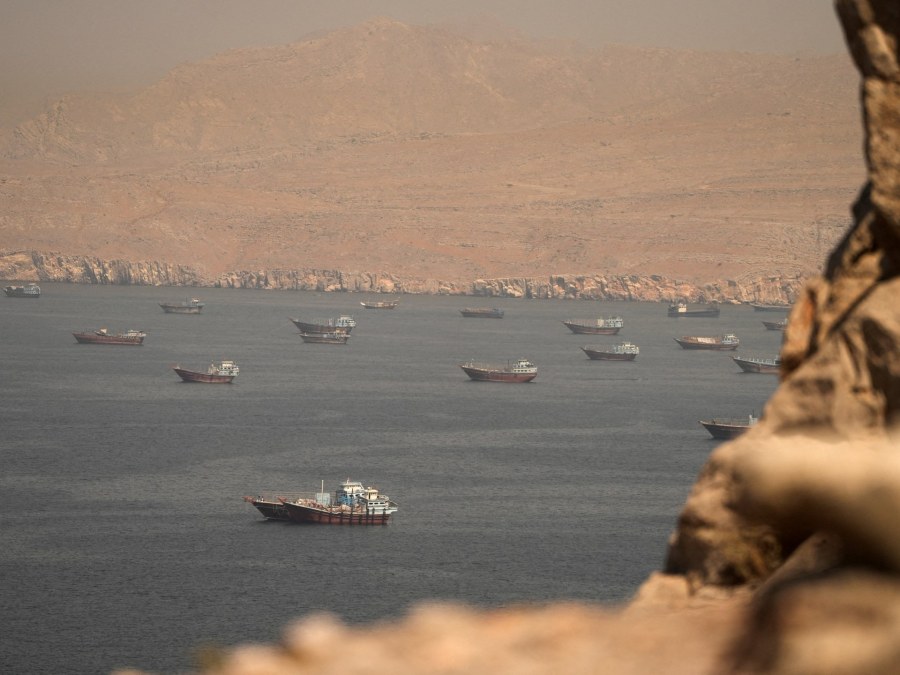
The recent conflict involving the United States, Israel, and Iran has catalyzed a significant strategic shift among Gulf nations, prompting them to diversify their security alliances. With Gulf Cooperation Council (GCC) members facing hostility during this conflict, the urgency to expand defense partnerships is palpable as the region navigates the fallout and engages in dialogues for long-term stability.
Even prior to the outbreak of hostilities, Saudi Arabia had initiated defense collaborations with Pakistan, signaling a move towards broader regional security cooperation. This trend of engaging with diverse international partners, including European defense system suppliers and maintaining ties with global powers like Russia and China, indicates a deliberate strategy to enhance regional autonomy while not fully supplanting existing US alliances.
The conflict has underscored the need for Gulf nations to bolster their indigenous defensive capabilities and regional positioning. Military actions from Iran, especially those targeting US installations, have heightened security concerns. Meanwhile, Israel's interventions are perceived as parallel threats, necessitating a recalibration of defense policies across the GCC to address multifaceted security challenges post-conflict.