Gilgit-Baltistan: Transformation Amid Development and Climate Challenges
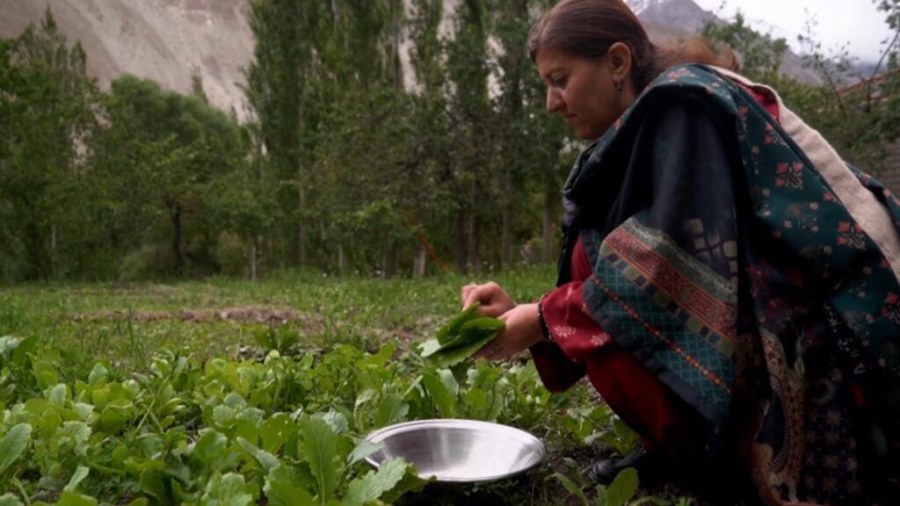
In recent decades, Gilgit-Baltistan's Hunza Valley has experienced significant change, as development initiatives have reshaped this remote northern region of Pakistan. Enhanced access to education and healthcare, coupled with robust local development, have been instrumental in steering this transformation. These advancements are frequently linked to efforts by foundations associated with the Aga Khan, leader of the Ismaili community.
The Ismaili community, comprising roughly 500,000 members in Pakistan, predominantly populates the Hunza Valley, accounting for approximately 90% of the area's inhabitants. Their presence and influence have been pivotal in driving the progress witnessed in this once isolated region.
While the region has enjoyed the benefits of development, it faces growing challenges posed by climate change. The impact on local ecosystems and traditional livelihoods underscores the need for sustainable strategies as Gilgit-Baltistan navigates its dynamic transformation.