Driven by desperation: Yemenis resort to dangerous energy alternatives
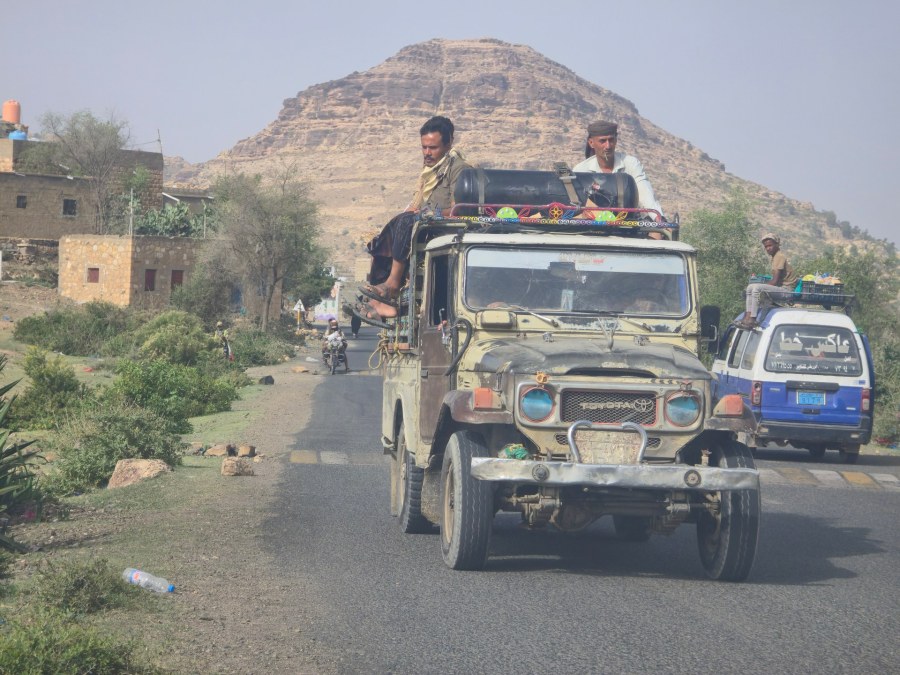
Then, an explosion shattered the calm and neighbours rushed to extinguish a large fire in Najib Abdullah’s home. The residents in the Beer Basha area of the city were rescued from the house, which was completely engulfed in flames, but had serious burns. They were taken to Al-Thawra General Hospital Authority, which has the city’s largest emergency unit for burns and plastic surgery. The cause of the explosion was the lithium battery used for the solar power system, which many homes in Taiz rely on. Dr Mohammed Saeed, the head of the emergency department at Al-Thawra Hospital’s burns centre, told Al Jazeera that a mother and two of her children died, their father remains in intensive care, while a third child was discharged from hospital. He said the cause of the blaze was not an isolated incident and his burns unit regularly treats victims of battery explosions, leaving victims severely disfigured or worse. “We don’t know the exact technical reasons behind these solar energy fires, but the centre frequently receives patients from Taiz city and neighbouring governorates suffering from burns caused by battery fires,” Saeed added. In governorates such as Taiz, where the public electricity grid is nonexistent, residents are left with two choices: pay for expensive generators or invest in solar energy systems that harness free electricity from the sun. Installing solar systems requires specialised teams working under specific safety conditions. Homeowners who often try to save money by installing the systems themselves are largely unaware of the safety protocols. In the first six months of this year, Al-Thawra Hospital’s burns unit had 2,729 cases, including 13 fatalities, according to Dr. Saeed. Most were the result of exploding solar batteries, vehicles converted to cooking gas, domestic gas leaks and accidents involving petrol. Lower cost, higher risk In a hospital room adjacent to Najib Abdullah’s, 40-year-old Ammar Saleh lies in bed recovering from another fire. Like many others, he modified his car to run on cooking gas due to the soaring price of petrol. A litre of petrol costs 1,500 Yemeni Riyals (around $0.95), compared to just 500 Riyals ($0.30) for a litre of cooking gas. The huge disparity in price has led drivers, particularly bus drivers, to take the risky decision.