EU Strategizes Against Chinese Trade Dominance Amid Deindustrialization Concerns
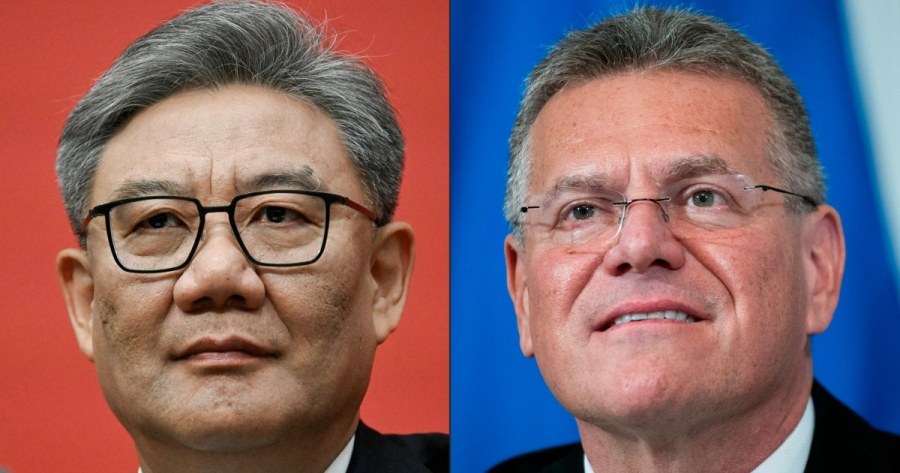
The European Union is recalibrating its trade strategy in response to the burgeoning trade imbalance with China, which has raised alarms about potential deindustrialization within its member states. During high-level meetings in Brussels, EU Trade Commissioner Maros Sefcovic delivered a candid message to Chinese Commerce Minister Wang Wentao, underscoring the urgency of addressing the disparity in trade exchanges. China's sustained export growth into the European market contrasts starkly with the EU's diminishing footprint in China's economy.
This recalibration marks a significant shift from the EU's traditionally open trade policies, which have increasingly come under scrutiny due to China's subsidized industrial expansion and market encroachment. These developments have prompted EU leaders to reconsider their stance, echoing sentiments previously voiced by European Commission President Ursula von der Leyen, who labeled China's industrial ascendancy a 'new China shock' to global trade dynamics.
Divergent opinions persist among EU countries regarding the extent of countermeasures necessary to combat this influx. Nevertheless, there is a discernible consensus about the imperative to fortify Europe's domestic industrial base. According to policy analysts, Europe can no longer afford a passive role in global trade negotiations, especially as it grapples with the strategic maneuvers of major economic powers such as the United States and China.