US-Iran Hostilities Erupt Amid Ceasefire Strain
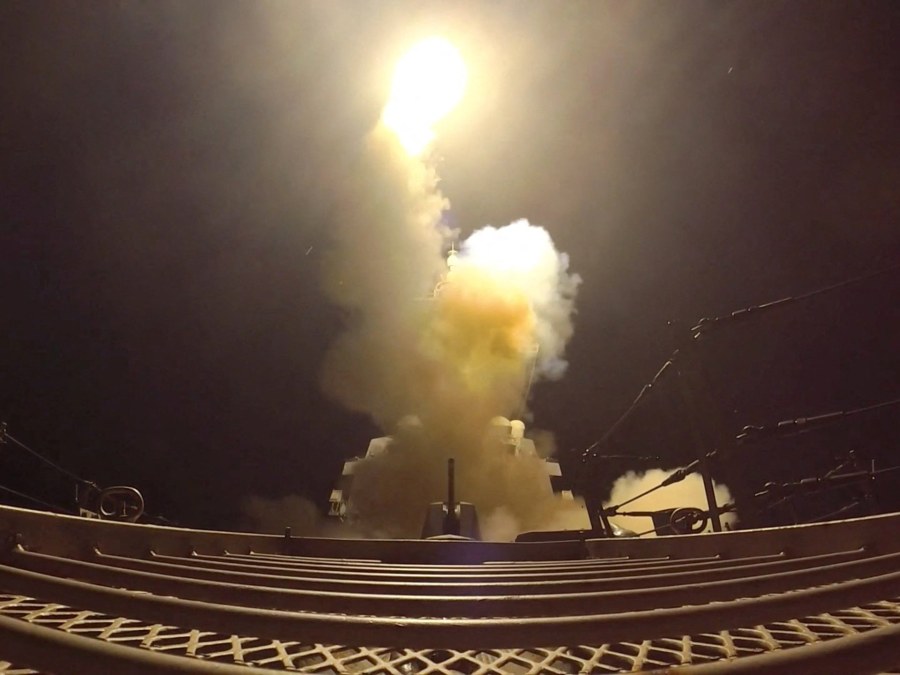
The United States has launched a new series of military strikes targeting several critical sites in Iran, triggering retaliatory actions by Iranian forces throughout the Gulf region. This exchange has intensified tensions, putting further pressure on an already teetering ceasefire agreement. U.S. Central Command executed coordinated strikes to weaken Iran's military capabilities, including air-defense systems and naval assets, aimed at ensuring uninterrupted shipping through the strategic Strait of Hormuz.
In response, Iran conducted a series of counter-attacks on U.S. military installations in Gulf countries. The Islamic Revolutionary Guard Corps (IRGC) has reported targeting critical radar and missile systems, with claims of significant damage in locations such as Bahrain and Kuwait. This aggressive stance illustrates Iran's resolve to respond swiftly to perceived threats, escalating the potential for broader regional conflict.
This flare-up occurs amidst bilateral talks and a fragile Memorandum of Understanding between Washington and Tehran, which intended to defuse hostilities and reopen the Strait. The precarious truce, initially brokered in mid-June to halt months of conflict that began with joint U.S.-Israeli strikes on Iran, now faces a severe test as geopolitical instability in the region mounts.