China's Ethnic Unity Law Expands Global Legal Reach
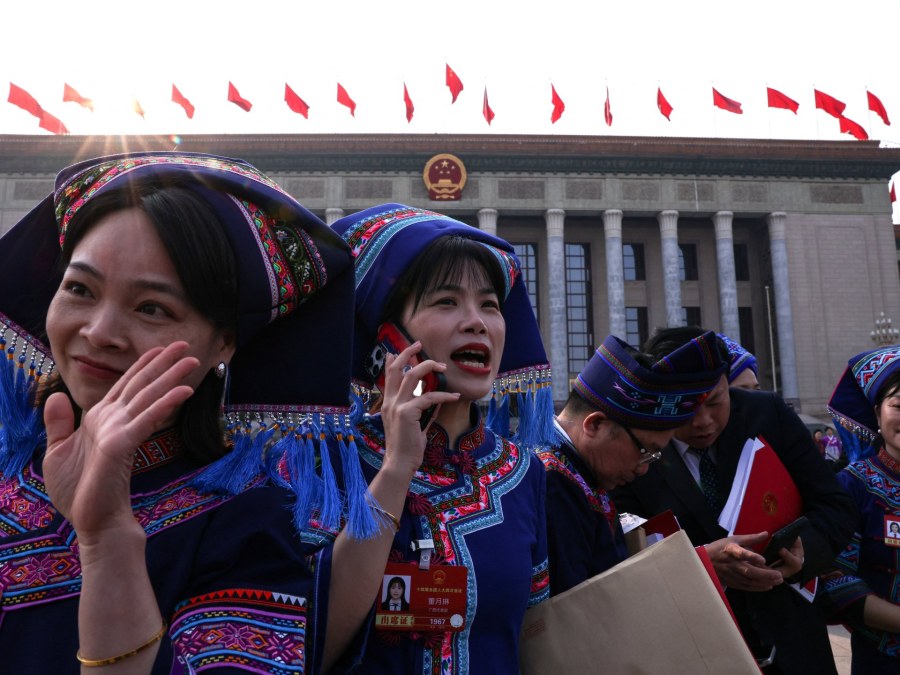
China's newly enacted 'Law on the Promotion of Ethnic Unity and Progress,' effective as of March, grants Beijing significant extraterritorial powers. The legislation enables legal actions against individuals or organizations abroad deemed to undermine ethnic unity, a move that broadens China's jurisdictional influence globally.
Article 63 of the law has ignited criticism from international human rights groups. It states that actions by entities outside mainland China that destabilize ethnic unity could be prosecutable, which has raised concerns over potential repression of diaspora and activists by China. Such measures reportedly align with allegations of surveillance networks operating under unofficial Chinese auspices abroad.
The Chinese government's defense of this provision, terming it necessary and lawful, underscores a broader strategy to safeguard national cohesion by extending accountability beyond its borders. Contrarily, critics argue it legitimizes unilateral penal actions under the guise of promoting conformity with Chinese political objectives.