Transition in UK Leadership as Burnham Assumes Premiership
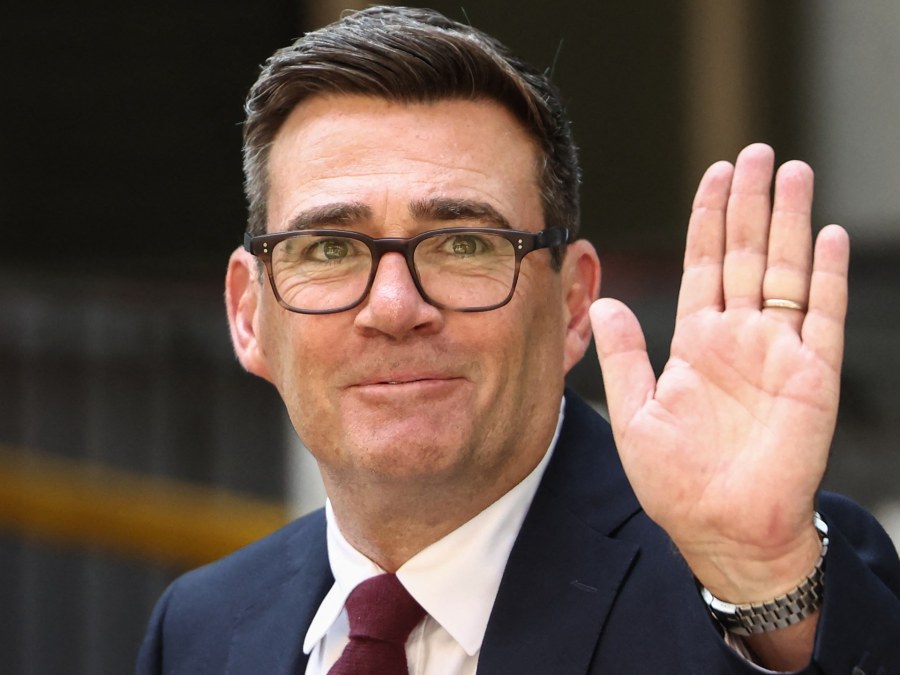
In a significant political shift, Andy Burnham is poised to become the United Kingdom's Prime Minister on Monday, following the resignation of Keir Starmer from the Labour leadership. Known as the 'King of the North,' Burnham returns to the national stage after a decade-long departure from Westminster to serve as the Mayor of Greater Manchester. Burnham's rise is marked by his distinctive leadership style and his advocacy for the North of England, especially highlighted during the COVID-19 pandemic.
Burnham, who has been a prominent figure in regional politics, will be the 59th person to hold the office of Prime Minister and the seventh in the last ten years. His leadership is anticipated to contrast with more traditional Westminster figures due to his approachable demeanor and his promise to bring a new approach to British politics. Despite his popularity within Labour, Burnham inherits challenges similar to those faced by his predecessor, such as economic stagnation and escalating living costs.
On Monday, Burnham will officially accept King Charles III's invitation to form a government, following the formal resignation of Keir Starmer. This ceremonial process, known as "kissing hands," typically involves a private meeting with the monarch at Buckingham Palace. Subsequently, Burnham will address the nation from 10 Downing Street, setting the tone for his administration as he begins to appoint his Cabinet and outline his policy priorities.