Ceuta Crisis Exposes EU Border Vulnerabilities
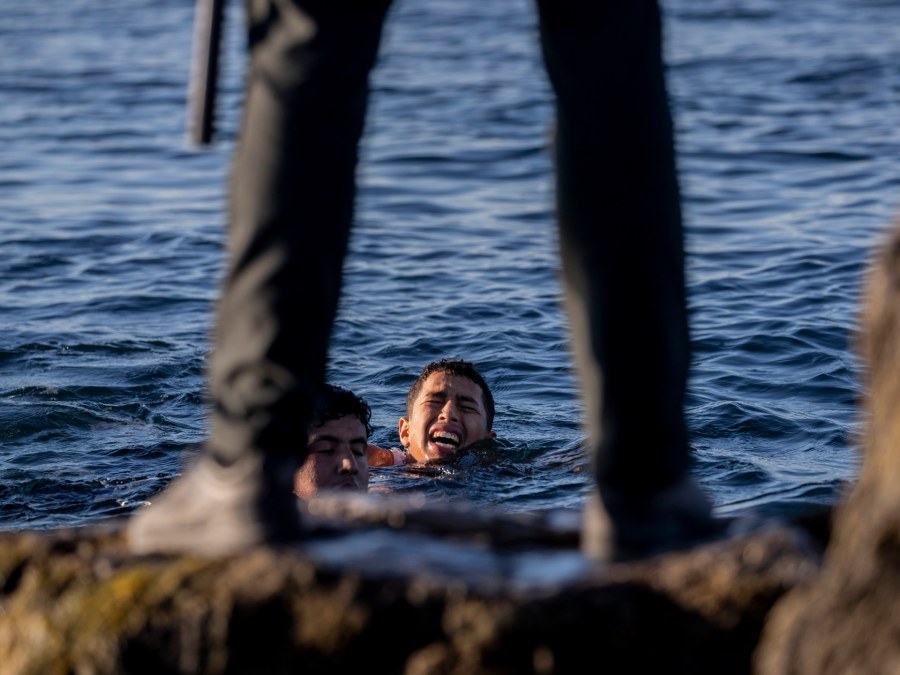
Recent events in the Spanish enclave of Ceuta where at least 100 migrants died in an effort to cross from Morocco reveal significant vulnerabilities in European border security. During a recent testimony before the European Parliament’s Committee on Civil Liberties, Ceuta's leader Juan Jesus Vivas characterized the crisis as an 'invasion,' with approximately 72,000 migrants attempting to enter the enclave, highlighting the inadequacies in both local and EU-wide handling of sudden migrant influxes.
The crisis has left Ceuta, grappling with a population surge nearly equal to its resident numbers, under immense pressure. Despite early warnings from local authorities to Madrid, the response was evidently insufficient, and existing reception facilities for migrants have been overwhelmed. The incident underscores the heavy reliance on cooperation from Morocco, a single neighboring state, for effective border control - a situation that EU migration officials admit leaves Europe highly vulnerable.
With the European Commission stepping in where the Spanish government abstained, the situation in Ceuta raises broader questions about the sustainability and strategy of EU border management. Amid the crisis, both political and logistical challenges have surfaced, calling for a reevaluation of current policies that depend heavily on external partnerships for maintaining the integrity of the EU's borderless travel zone, Schengen.