After the floods, hunger: Mozambique’s second disaster
The ground that once gave his family food and income now stands as a reminder of what was lost. His livestock disappeared, and the gardens that provided food and security were swallowed by the floods. But for Pinto, 50, the disaster did not end when the water receded. For the resident of Xa-Xai, in Mozambique’s southern Gaza province, surviving the floods was only the beginning of the struggle. “We either die from the floods, or if we survive, hunger takes over,” Pinto tells Al Jazeera. The floods swept across Mozambique from late December 2025 into early 2026, leaving communities like Pinto’s facing a second crisis: finding enough money to buy food after losing the ability to produce much of it themselves. “The floods destroyed our wells, pipes, livestock and gardens,” Pinto says. “The price of basic food increased sharply.”
Mozambique is still recovering from one of its most damaging flood seasons in recent years. The disaster affected communities across several central and southern provinces, including Gaza, Maputo, Inhambane, Sofala and Zambezia. For farming families, the destruction was immediate. Fields disappeared under water, harvests were lost, and roads used to move food between farms and markets were damaged.
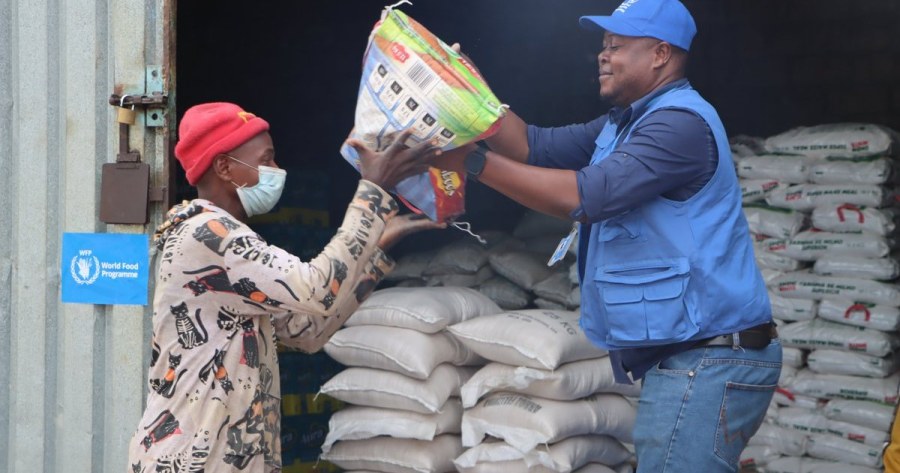
According to the Food and Agriculture Organization of the United Nations (FAO), about 275,405 hectares (680,540 acres) of farmland were affected, threatening the livelihoods of approximately 314,783 farmers. In rural Mozambique, farming is not simply a source of income. It is a household safety net. Before the floods, Pinto’s garden reduced his dependence on shops and traders. It provided food for his family and helped protect them from sudden price increases. Now the gardens around his neighbourhood lie empty, and families who once relied on their own harvests must turn to markets where prices have climbed. The United Nations’ World Food Programme (WFP) warned that flooding has disrupted access to food across many affected areas. Roads became impassable, markets stopped operating in some communities, and transport costs increased. In places where floodwater cut roads, food could not easily reach people who needed it. At the same time, local production fell as farmland was damaged.