Algerian Parliamentary Elections Faced With Low Turnout Concerns
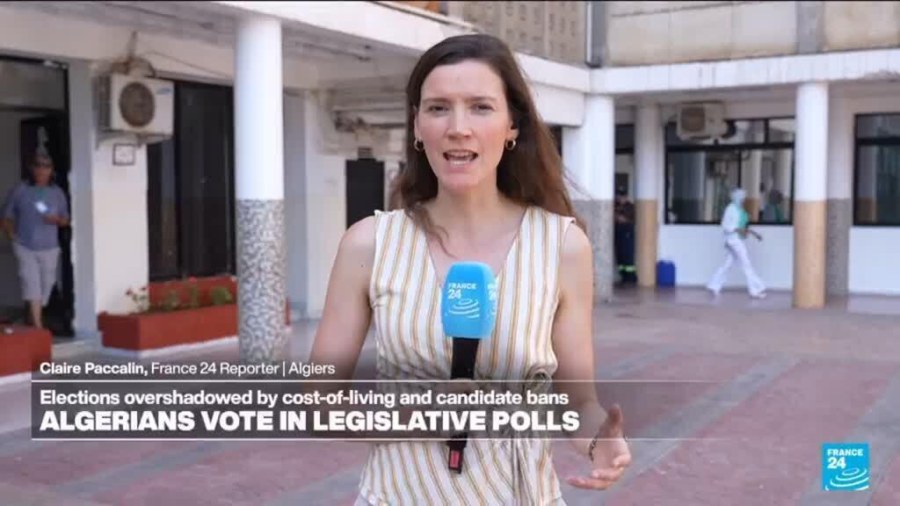
Algeria conducted its parliamentary elections on July 2, under the pervasive anticipation of low voter turnout among its 25 million eligible citizens. This electoral event is marked by significant discontent following the government's decision to disqualify approximately one-third of potential candidates, raising questions about the democratic process. The disqualifications have sparked debate, particularly as several candidates deemed key competitors were reportedly impeded from running in major constituencies.
The elections are occurring within a complex backdrop of political dissatisfaction and economic challenges. The cost-of-living crisis remains a critical issue for the electorate, with inflation and unemployment contributing to a broader sense of disillusionment with the incumbent administration's capacity to address pressing socio-economic concerns. This context has fueled skepticism about the elections' potential to effect substantial change.
Observers note that the political landscape in Algeria is increasingly dominated by a central government intent on maintaining control, despite public demand for more inclusive representation. The restrictive measures observed ahead of this parliamentary vote could further strain trust in governmental institutions, impacting Algeria's stability and political future.