Complex External Influences Perpetuate Sudan's Civil Conflict
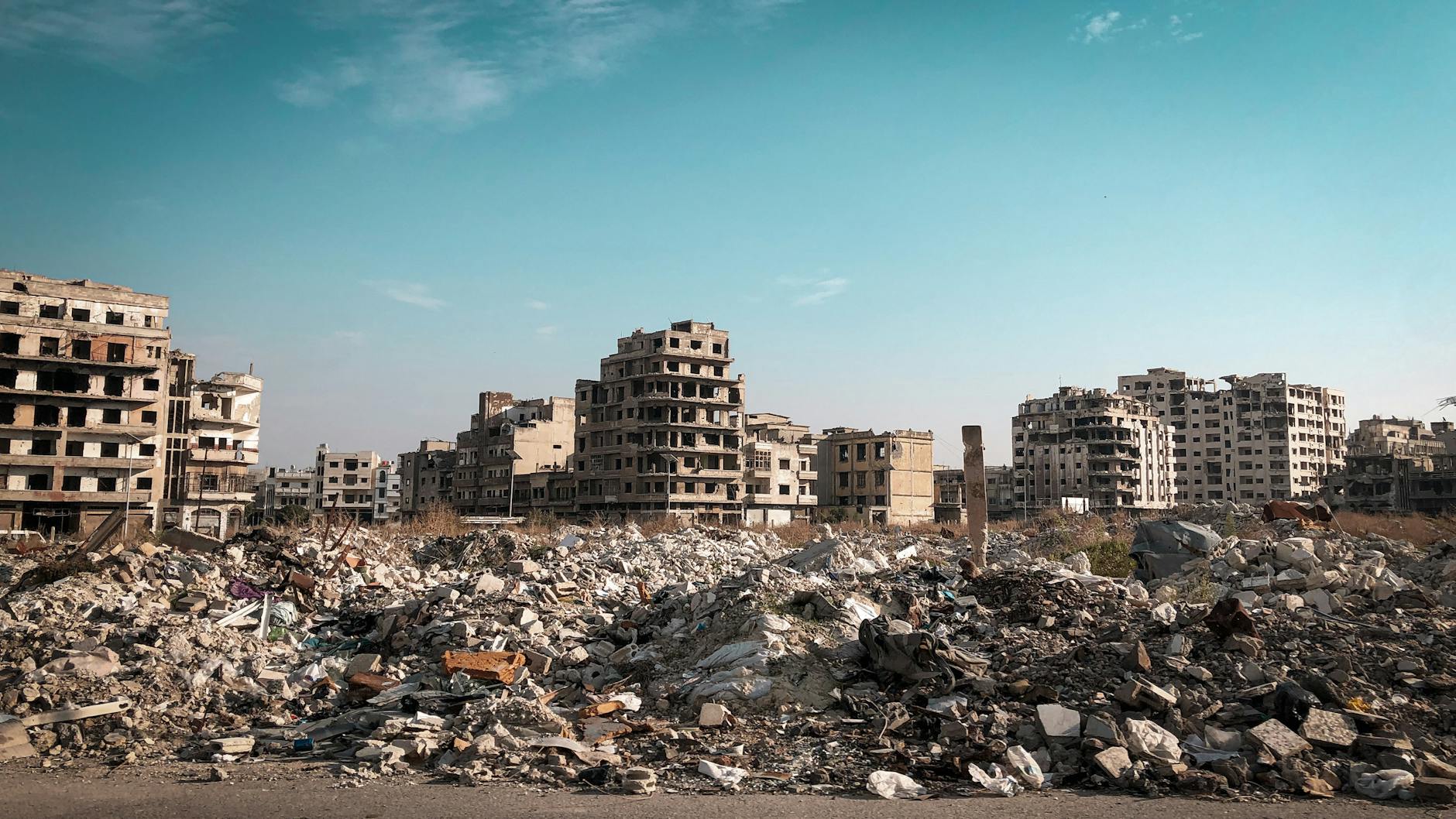
The Sudanese civil war stands as one of the modern era's most intricate and destructive conflicts, according to American experts. As the conflict has evolved, it has not only devastated civilian populations but also destabilized the entire region. Initially a power struggle among local factions, the war has transformed into a complex, multi-dimensional crisis exacerbated by widespread displacement, acute food shortages, and extensive human rights violations.
Foreign Interests Entangled
The involvement of external parties has intensified the humanitarian crisis, with their competing interests further complicating the potential for resolution. The administration of President Donald Trump has shown renewed interest in aiding the resolution of this conflict, reflecting concerns over the humanitarian impact and regional instability. However, this interest has yet to translate into a clear strategy, sparking concerns that the Sudanese conflict might remain part of a larger cycle of instability nurtured by regional and global power rivalries.
Despite expressed willingness to assist in long-standing conflicts worldwide, from the Israeli-Palestinian issue to disputes involving regional powers like Russia and Ukraine, the U.S. grapples with questions about its ability to navigate and mitigate the complexities of Sudan’s war.
Sustained Foreign Engagement
The ongoing war is notably prolonged by direct foreign involvement, which serves as a significant driver of continued violence. Historical analysis of similar conflicts suggests that when numerous external backers are involved, conflicts tend to be protracted, more lethal, and significantly challenging to resolve. This reflects a reduction in the incentives for domestic groups to negotiate, as foreign support diminishes their urgency to compromise.
In the case of Sudan, external influences are undeniable. The conflict has become an entrenched confrontation, bolstered by support from non-state armed groups. One prominent feature is the role of external actors such as the United Arab Emirates, which has provided substantial backing to factions such as the Rapid Support Forces (RSF). This support not only includes material aid and tactical logistics but also manifests in documented war crimes perpetrated by the RSF, perpetuating an environment of excessive violence.
Prospects for Resolution
Experts argue that substantial change requires sustained U.S. leadership, combining robust diplomacy, coordinated international pressure, and strategic economic and political tools. Underlying the civil war are long-standing issues, including the militarization of peripheral regions and the growth of transnational networks that support armed non-state groups. The conflict, significantly intensified since April 2023, involves the RSF—a force with roots in the Janjaweed militias—which, with external backing, has evolved into a parallel military structure.
The RSF's alliances, notably with entities like Russia's Wagner Group, underscore the intricate geopolitical web influencing the conflict. Wagner's presence, driven by interests in Sudanese natural resources, particularly gold, has been marked by strategic support in return for mining rights. This arrangement provides the RSF with financial independence, further complicating Sudanese state sovereignty.
Concluding thoughts focus on the necessity for international stakeholders to reconvene on Sudan's pressing conflict resolution needs. Addressing the intricate layers of regional and global interests requires an orchestrated shift towards sustainable political engagement, underpinned by comprehensive international collaboration.